By Karen Ryan
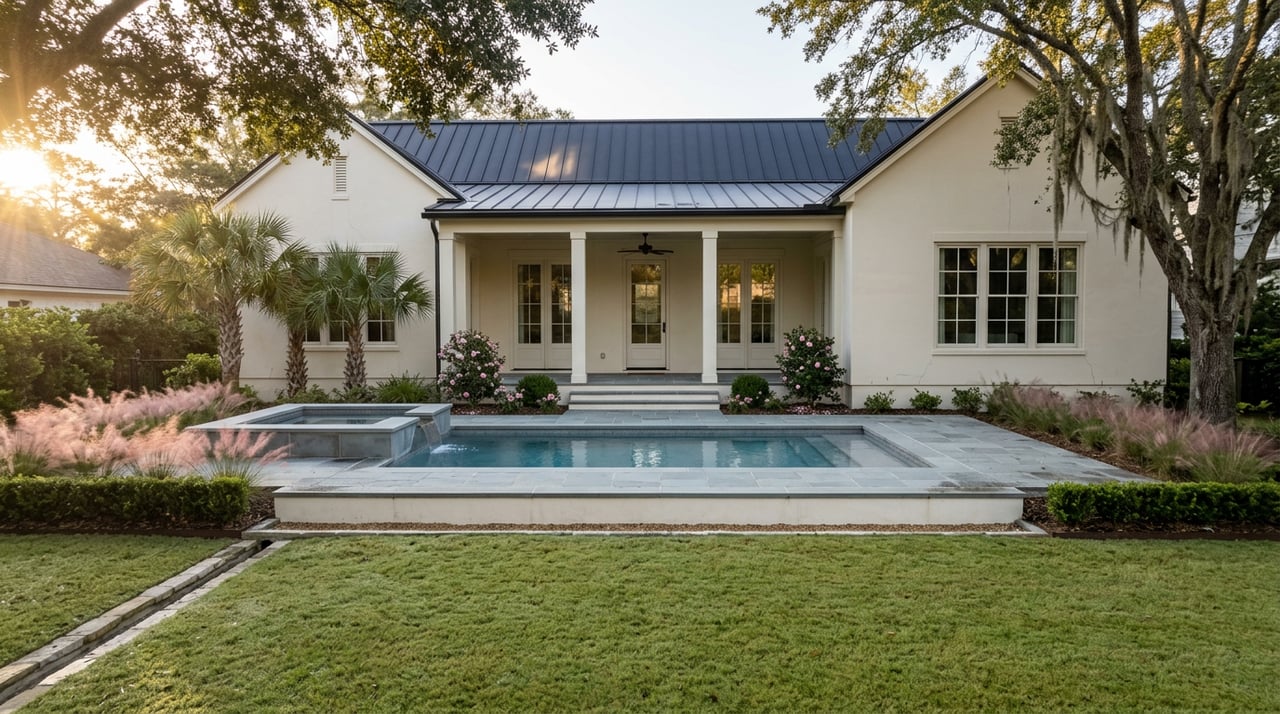
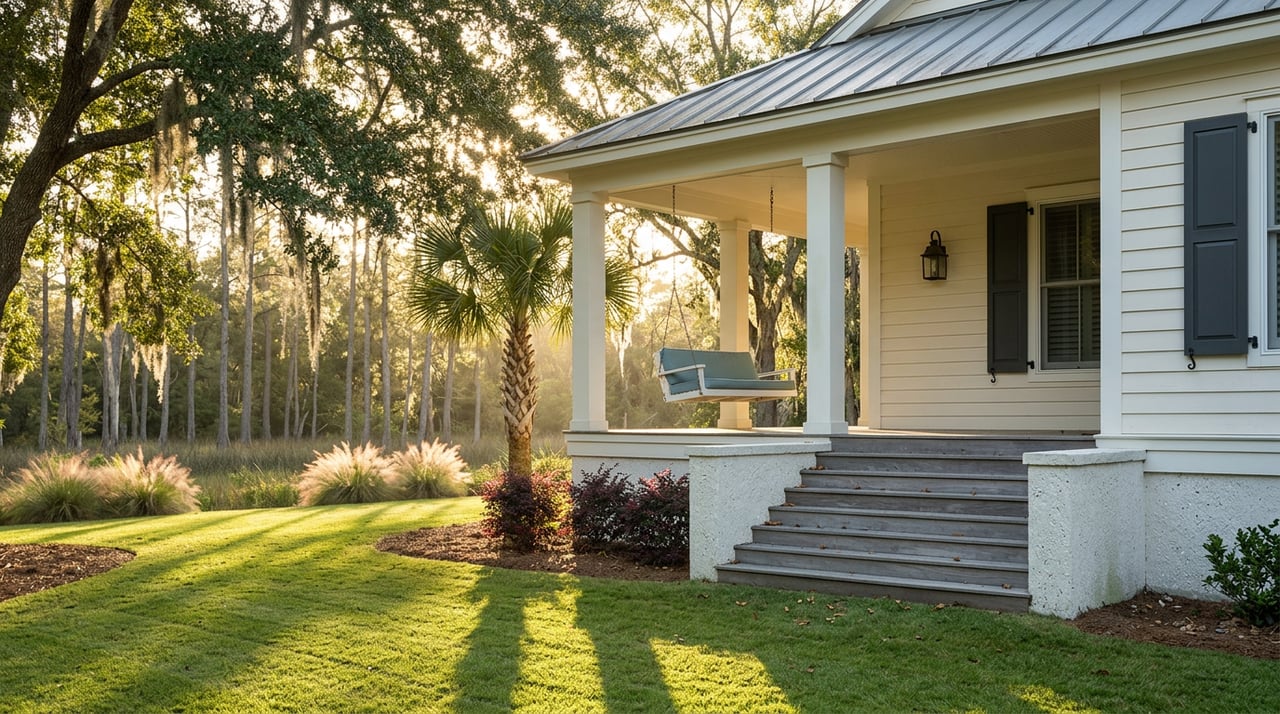
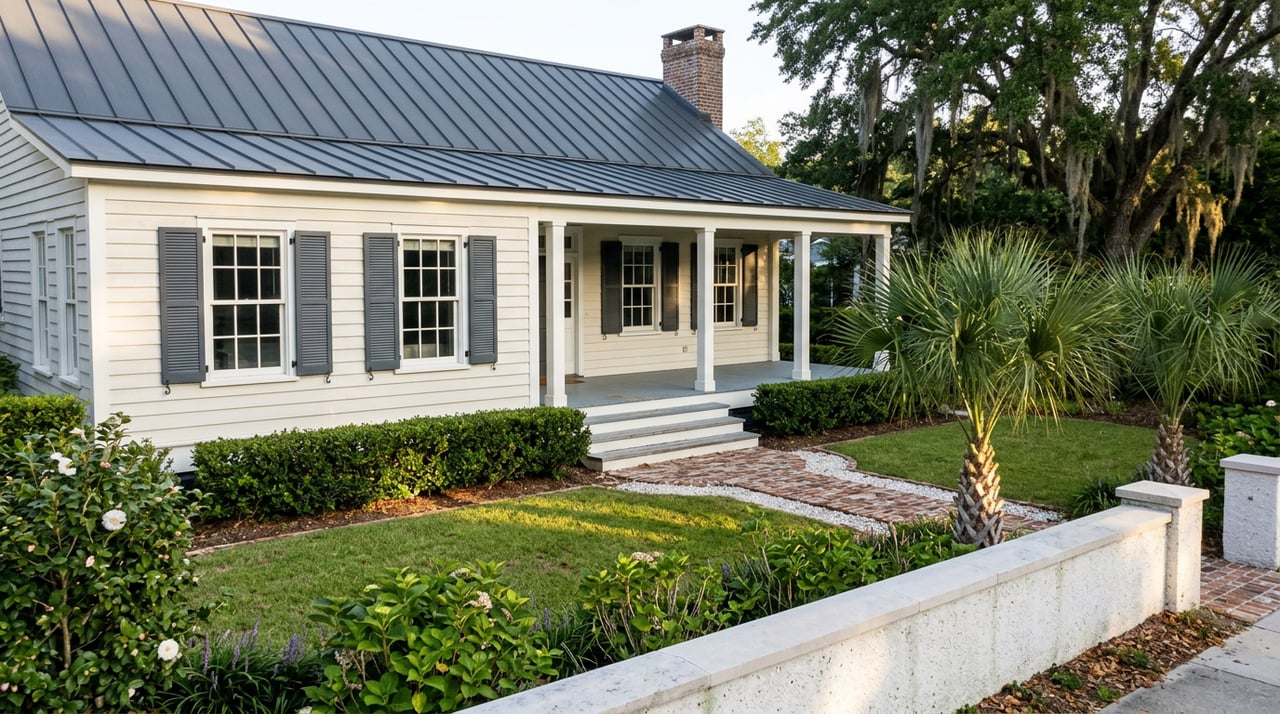
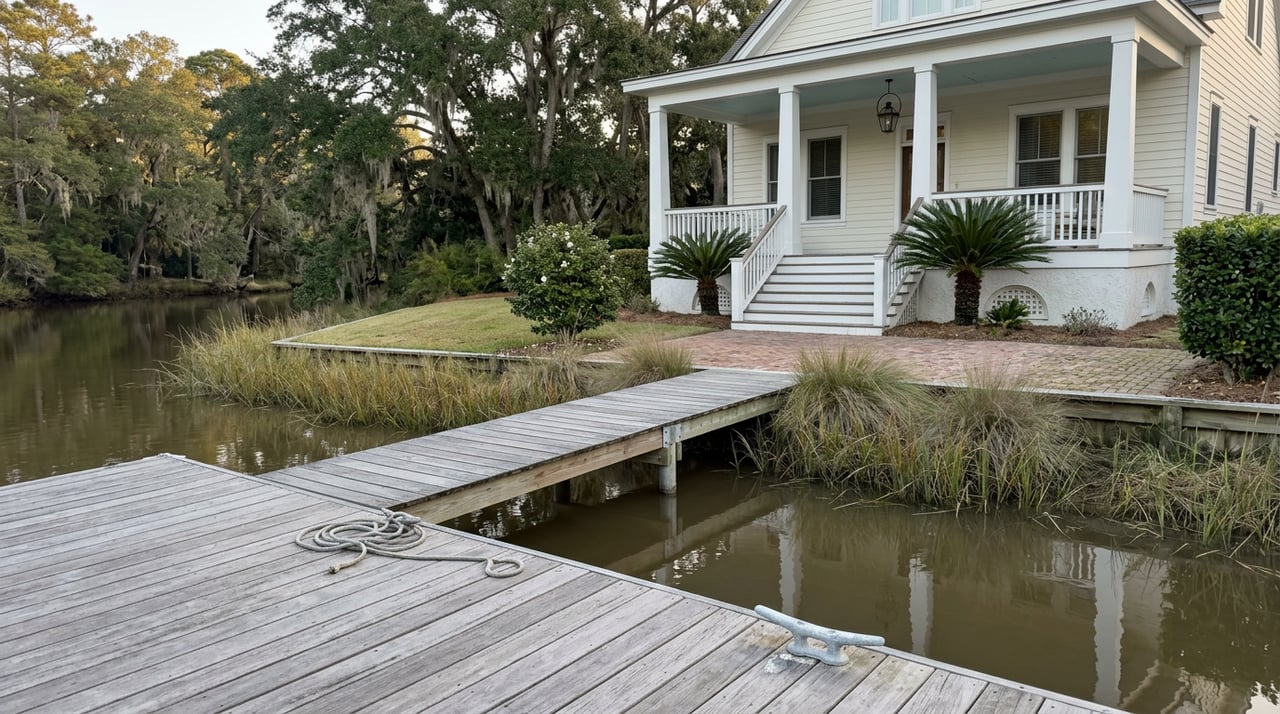
Most people who discover Hilton Head Island do so as vacationers. They spend a week at a resort, ride bikes along the paths, eat well, and leave thinking they would love to live here someday. Retiring on Hilton Head Island turns out to be even better than those visitors imagined. But it is also different from a vacation in ways worth understanding before making the move. The lifestyle here is exceptional, the tradeoffs are real but manageable, and the people who thrive here tend to be those who arrived with clear eyes and the right expectations.
Key Takeaways
- Hilton Head Island offers a compelling combination of natural beauty, outdoor recreation, and a tight-knit year-round community that draws retirees from across the country
- South Carolina's tax structure is among the most retirement-friendly in the Southeast, with Social Security fully exempt from state income tax
- The island's gated communities offer distinct lifestyles, from Sea Pines and Palmetto Dunes to Indigo Run and Port Royal Plantation
- Healthcare access, seasonal traffic, and housing costs are the three most important practical realities to understand before committing to island retirement
The Daily Reality of Life on the Island
There is a version of Hilton Head retirement that looks like a permanent vacation, including morning walks on the beach, afternoon golf, and dinner with friends at Shelter Cove Harbour. That version is real and available. But daily life here has its own rhythms worth knowing before arriving. The island is roughly twelve miles long and five miles wide, with more than 60 miles of bike paths that make it possible to move through daily life without a car. The beach becomes part of the routine in a way that never stops feeling like a privilege. The year-round population of roughly 38,000 people is a community that knows itself, with active civic organizations, arts institutions, and a thriving volunteer culture that makes building a social life happen quickly and naturally.
What Day-to-Day Life on Hilton Head Island Looks Like for Retirees
- Dining ranges from casual waterfront spots at Shelter Cove Harbour to upscale restaurants that hold their own against any major city, without the drive
- The Arts Center of Coastal Carolina hosts Broadway touring productions, concerts, and gallery exhibitions year-round, anchoring an active local arts community
- Pinckney Island National Wildlife Refuge and the Sea Pines Forest Preserve offer protected wild spaces for hiking and birdwatching minutes from most neighborhoods
- Savannah and Charleston are within 45 to 90 minutes, providing access to major airports, specialty medical centers, and cultural institutions when the island does not have what you need
The Tax Picture for Hilton Head Retirees
South Carolina is one of the most tax-friendly states for retirees in the country, and that advantage is a concrete financial reason people choose Hilton Head over other coastal retirement destinations. Social Security benefits are fully exempt from South Carolina state income tax regardless of income level. Retirees aged 65 and older can deduct up to $10,000 per year in retirement income from pensions, IRAs, 401(k) withdrawals, and annuities. Military retirement income is fully deductible at any age. South Carolina property taxes carry one of the lowest effective rates in the country, and the state's top income tax rate dropped to 5.21 percent in 2026 under a significant reform signed into law earlier this year.
What Hilton Head's Tax Environment Looks Like in Practice
- South Carolina's property tax effective rate is roughly 0.45 percent, among the lowest in the country, which matters significantly on higher-value island properties
- Retirees who own a primary residence can apply for the Homestead Exemption, which exempts the first $50,000 of fair market value from property taxes for those 65 and older
- South Carolina does not impose a local income tax on top of state income tax, simplifying the overall tax picture compared to many other states
- Sales tax on the island runs approximately 7 percent combined state and local, slightly below the South Carolina state average
Choosing the Right Community Within the Island
Hilton Head is not one neighborhood. It is a collection of distinct gated communities, each with its own character, price point, and amenity mix. Choosing where to live is one of the most important decisions a retiring buyer makes. Sea Pines is the island's original planned community, encompassing Harbour Town, multiple golf courses, and beach access. Palmetto Dunes offers a mid-island location with oceanfront access and an 11-mile lagoon. Indigo Run provides a quieter, lower-density setting built around two Jack Nicklaus-designed courses. Port Royal Plantation sits toward the north end with three golf courses and access to undeveloped beachfront.
Key Differences Between Hilton Head's Major Retirement Communities
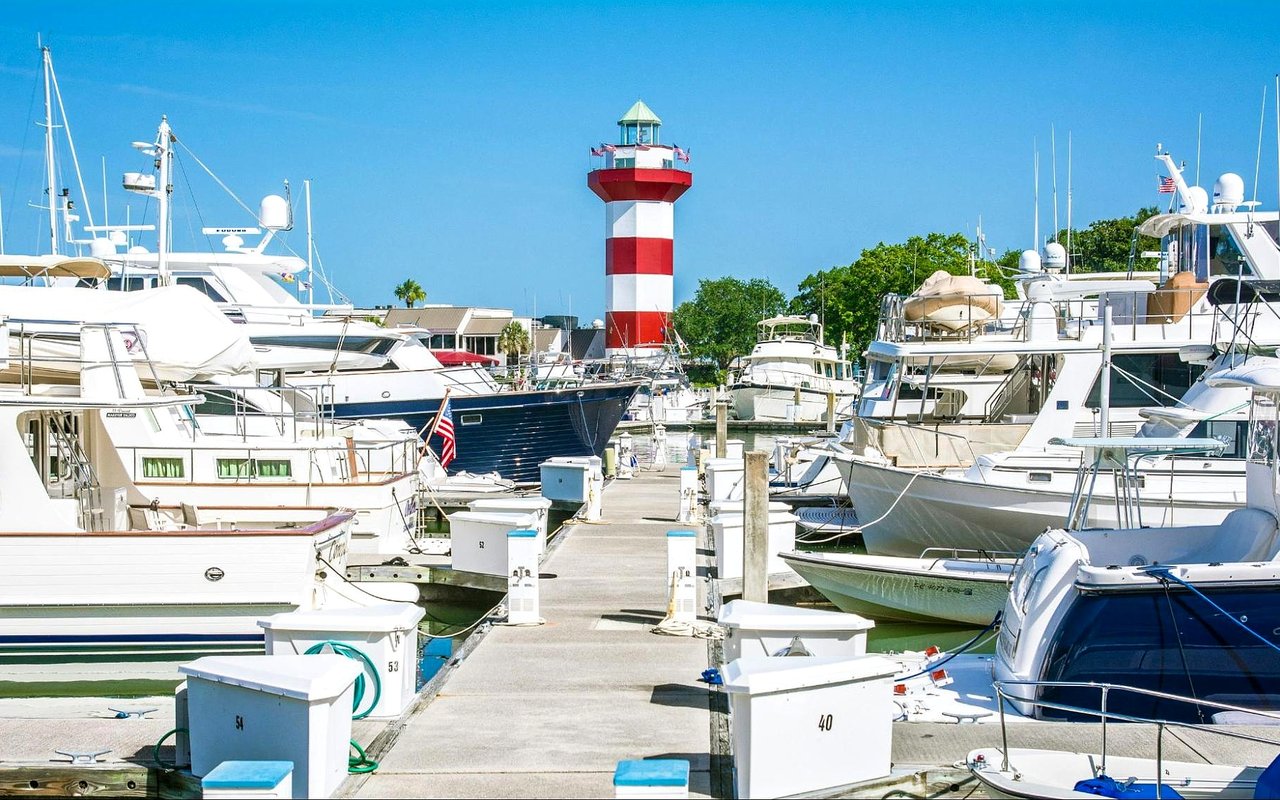
- Sea Pines contains Harbour Town, a harbor district with retail, dining, and marina access woven into the neighborhood, plus its own lighthouse that has become an island landmark
- Palmetto Dunes is home to both the Omni Hilton Head Oceanfront Resort and the Hilton Head Marriott, giving residents resort-level amenities alongside private residential community life
- Indigo Run's two Jack Nicklaus-designed courses and lower-density development mean larger lots and a quieter feel than the island's more resort-adjacent neighborhoods
- Sun City Hilton Head near Okatie has its own town center, medical facilities, and more than 100 clubs and interest groups
The Practical Realities Worth Knowing
The three practical realities that come up most consistently among retirees who moved to Hilton Head are healthcare access, seasonal traffic, and housing costs. Healthcare is anchored by Hilton Head Hospital for emergency and inpatient services, with Savannah and Beaufort offering additional specialist resources within a reasonable drive. Seasonal traffic from April through Labor Day is real, and year-round residents adapt their schedules accordingly. Housing costs sit higher than inland South Carolina, with median values in the mid to upper $700,000 range.
Things Worth Knowing Before Making the Move
- William Hilton Parkway carries the bulk of vehicle traffic on the island
- Wind and hail insurance is a separate policy from standard homeowners insurance in coastal South Carolina, and premiums vary by location, structure age, and construction type
- Beaufort Memorial Hospital and Savannah's hospital system supplement the care available at Hilton Head Hospital for specialist and complex medical needs
- Property values on Hilton Head have appreciated roughly 2 percent year over year in 2026, offering stability for buyers entering the market now
FAQs
Is Hilton Head Island a good place to retire if I am not a golfer?
Absolutely. Golf is a major part of the island's culture but far from the only one. The beach, bike paths, kayaking, the arts scene, dining, and volunteer and civic organizations give non-golfers a full and active life.
How does Hilton Head compare to Florida retirement destinations financially?
South Carolina fully exempts Social Security from state income tax and has very low property tax rates, which competes favorably with Florida in many scenarios. Florida has no state income tax at all, which benefits higher earners differently. The comparison depends on your income sources and lifestyle, and is worth discussing with a financial advisor familiar with both states.
What time of year is best to visit Hilton Head before deciding to retire here?
October or November. The crowds are gone, the weather is still beautiful, the restaurants are less busy, and you get a much clearer picture of what year-round life actually looks like.
Contact Karen Ryan Today
If you are thinking about retiring on Hilton Head Island and want to understand which communities, property types, and neighborhoods best fit your lifestyle and goals, I am here to help. Reach out to me, Karen Ryan, for a conversation about making Hilton Head your permanent home.